
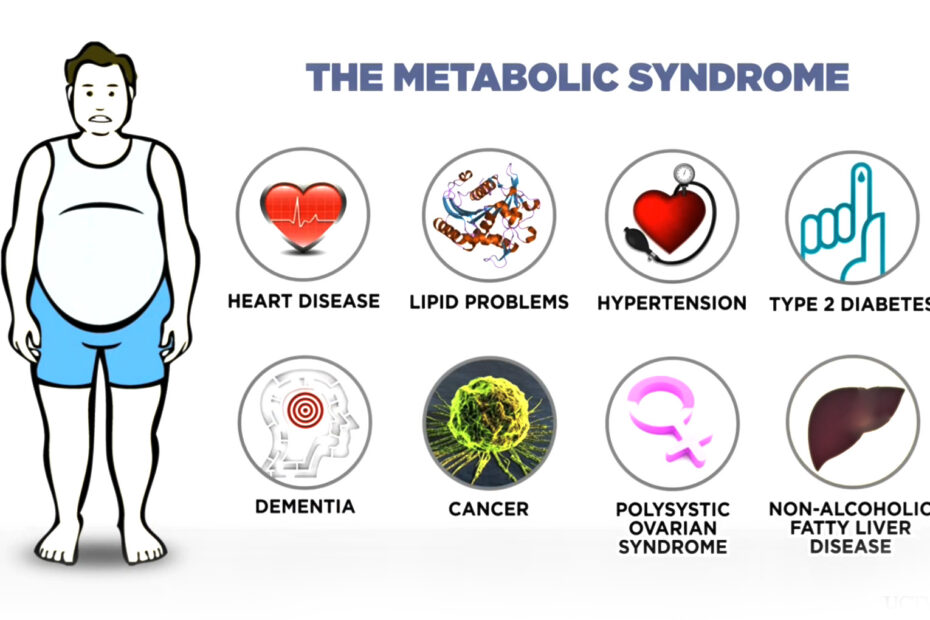
Human have evolved under the sun’s “full-spectrum” light that’s necessary for natural metabolism. However, we now spend much of our days indoors under “limited spectrum” light. Modern lifestyle subjects us to unnatural lighting spectra which result in metabolic disruption.
The Complex Effects of Light on Metabolism
Sunlight and full-spectrum light are essential for human health, playing a pivotal role in igniting metabolism, burning fat, and reducing the risk of metabolic syndrome. The mechanisms by which light influences metabolic health involve a fascinating interplay of biological processes, including circadian rhythm regulation, mitochondrial function, and hormonal signaling. Research
Light and Circadian Rhythms
One of the primary ways sunlight affects metabolism is by regulating circadian rhythms, the body’s internal clock that governs sleep, wakefulness, and metabolic processes. Sunlight exposure, particularly in the morning, signals the brain’s suprachiasmatic nucleus (SCN) to synchronize bodily functions with the day-night cycle. This triggers the release of hormones like cortisol, which peaks in the morning to promote energy metabolism, and suppresses melatonin, a hormone that promotes sleep. Proper circadian alignment enhances metabolic efficiency and promotes fat utilization for energy during the day.
Conversely, inadequate or mistimed light exposure can lead to circadian disruption, which is associated with reduced insulin sensitivity, impaired glucose metabolism, and an increased risk of obesity. Studies have shown that individuals exposed to insufficient natural light are more prone to metabolic syndrome, a cluster of conditions including high blood sugar, abnormal cholesterol levels, and increased waist circumference.
Mitochondrial Activation and Fat Metabolism
Sunlight, especially near-infrared (NIR) and red light, directly influences mitochondria, the energy powerhouses of cells. These wavelengths penetrate the skin and stimulate cytochrome c oxidase, a key enzyme in the mitochondrial electron transport chain. This stimulation enhances ATP (energy) production, which powers cellular processes, including the breakdown of fats. Enhanced mitochondrial function supports efficient fat metabolism, helping the body convert stored fat into usable energy. Full-spectrum light exposure has been shown to influence subcutaneous fat cells, encouraging their breakdown and inhibiting excessive fat storage. This process, known as photobiomodulation, demonstrates how specific wavelengths can stimulate metabolic activity at the cellular level.
Sunlight’s Role in Hormonal Balance
Sunlight also impacts metabolic health by influencing hormonal balance. Sunlight helps regulate serotonin, a mood-enhancing neurotransmitter that influences appetite and cravings. Balanced serotonin levels can reduce overeating and promote healthier food choices.
Additionally, exposure to natural light supports leptin and ghrelin regulation, hormones that control hunger and satiety. Poor light exposure is linked to leptin resistance, a condition that impairs the body’s ability to signal fullness, contributing to overeating and weight gain.
Reducing Risk of Metabolic Syndrome
Regular exposure to sunlight and full-spectrum light may help reduce the risk of metabolic syndrome by enhancing metabolic flexibility and reducing inflammation. It also encourages physical activity, as people exposed to natural light are more likely to engage in outdoor exercise, further supporting fat loss and overall metabolic health.
In conclusion, sunlight and full-spectrum light are powerful allies in igniting metabolism, burning fat, and protecting against metabolic syndrome. Incorporating natural light into daily routines is an accessible and impactful strategy for improving metabolic health and reducing the risk of chronic disease.
 Is Light Therapy in Your Future?
